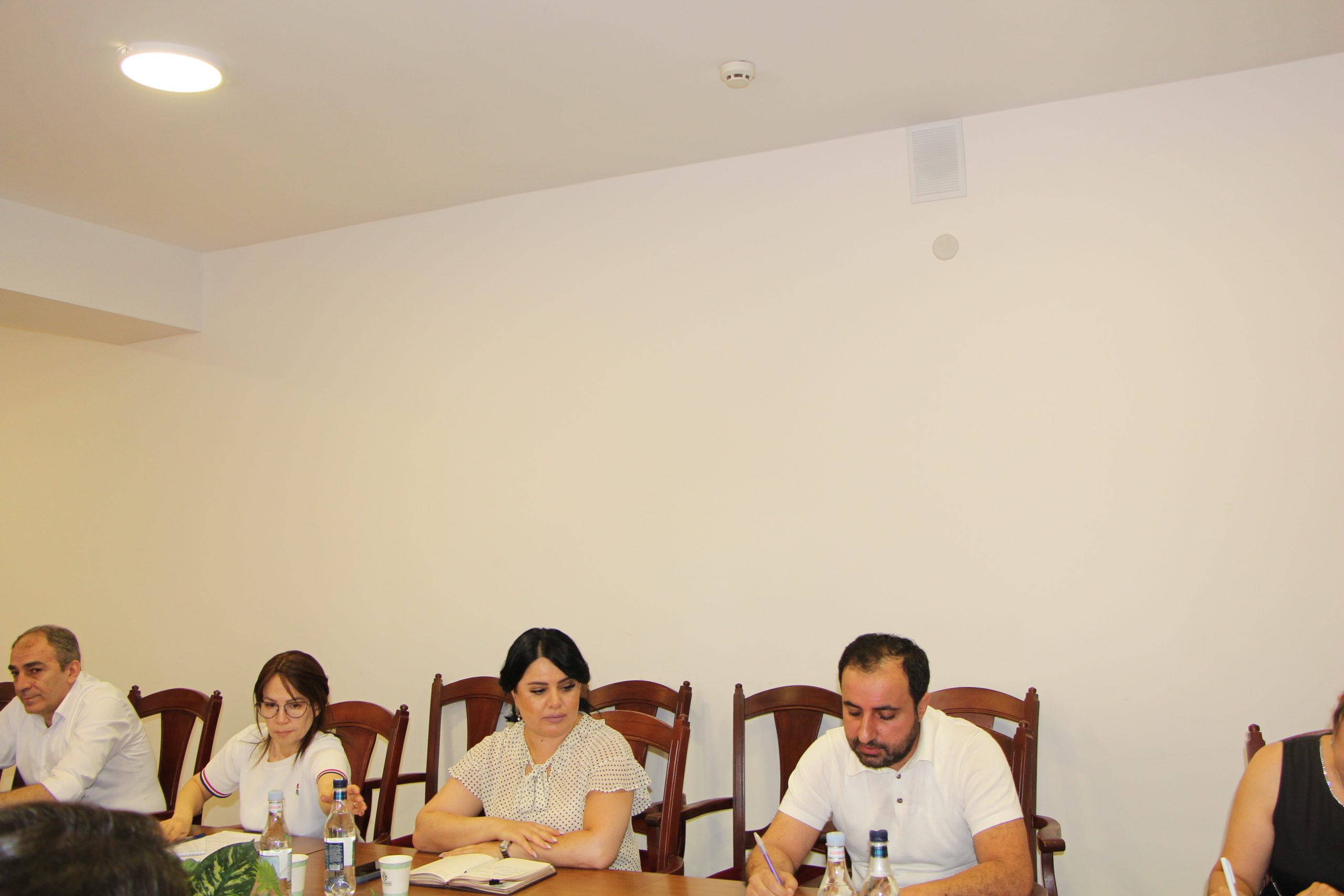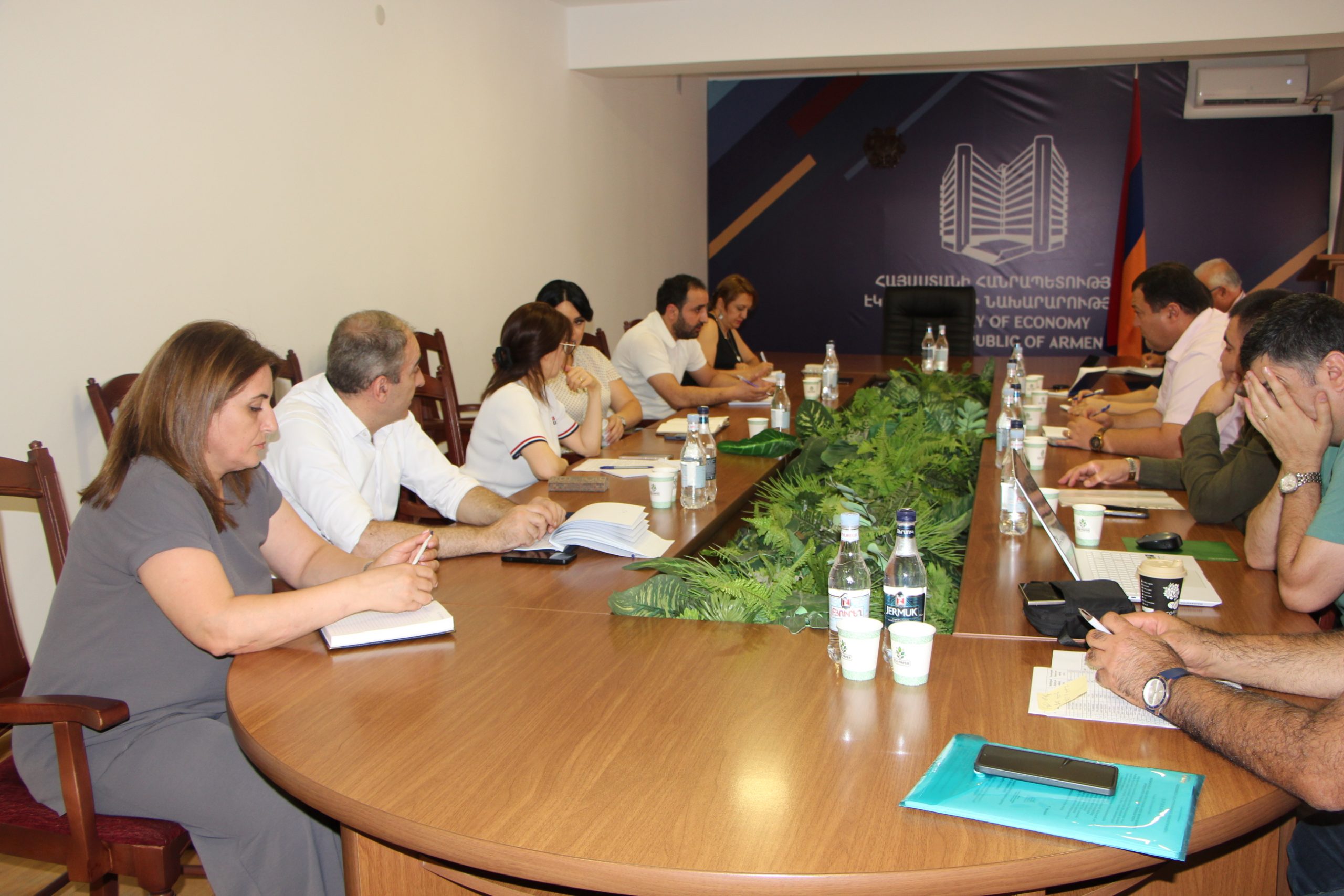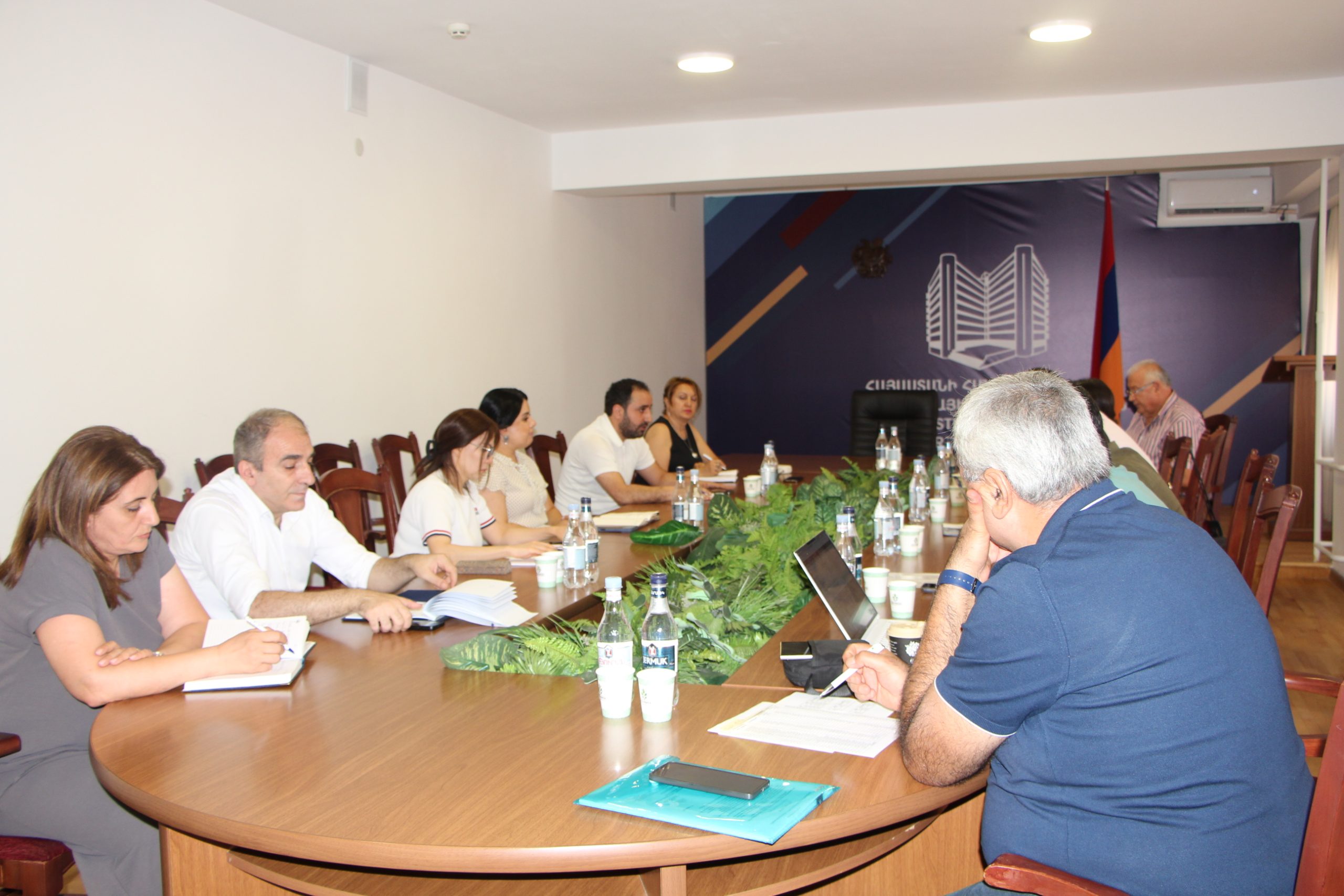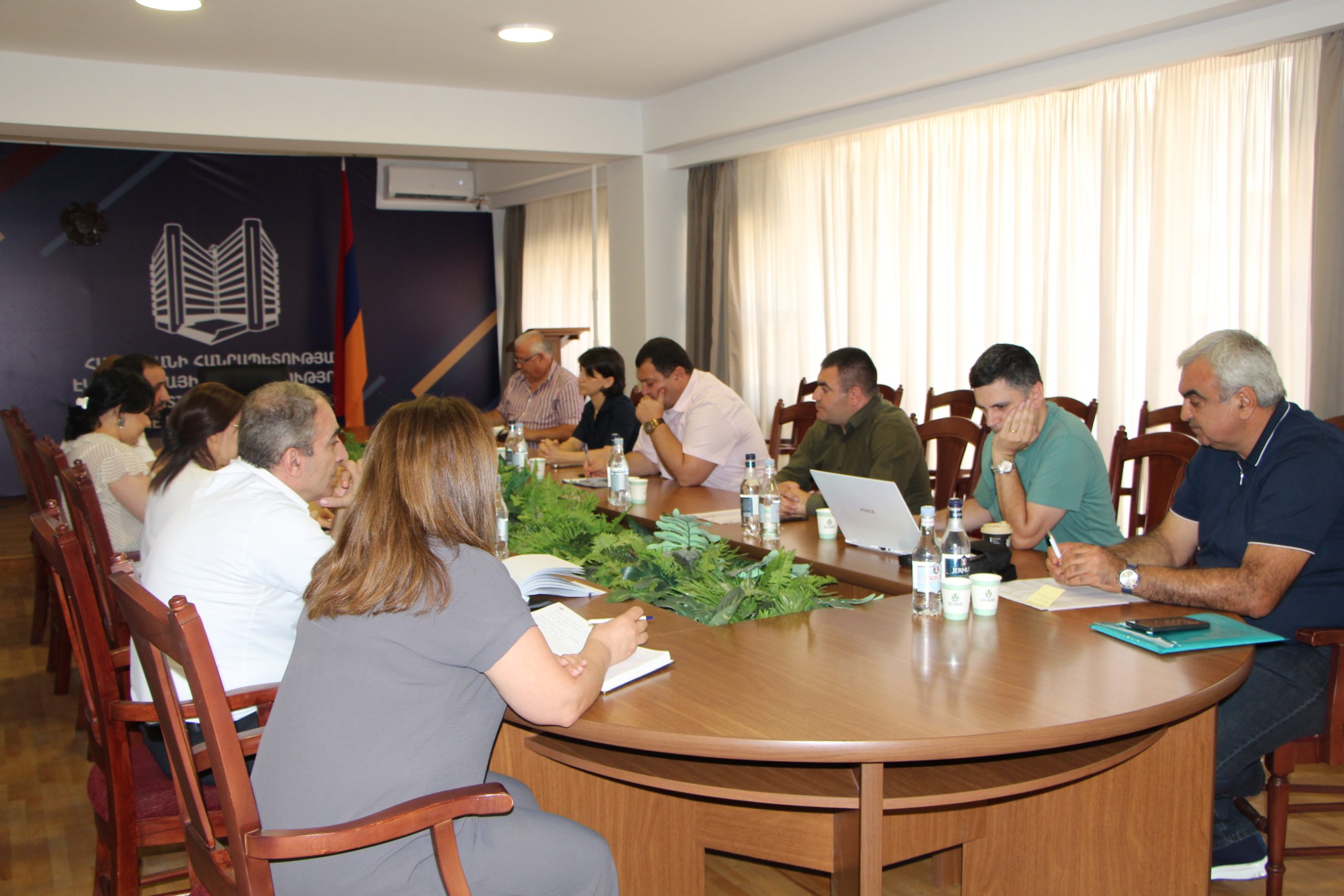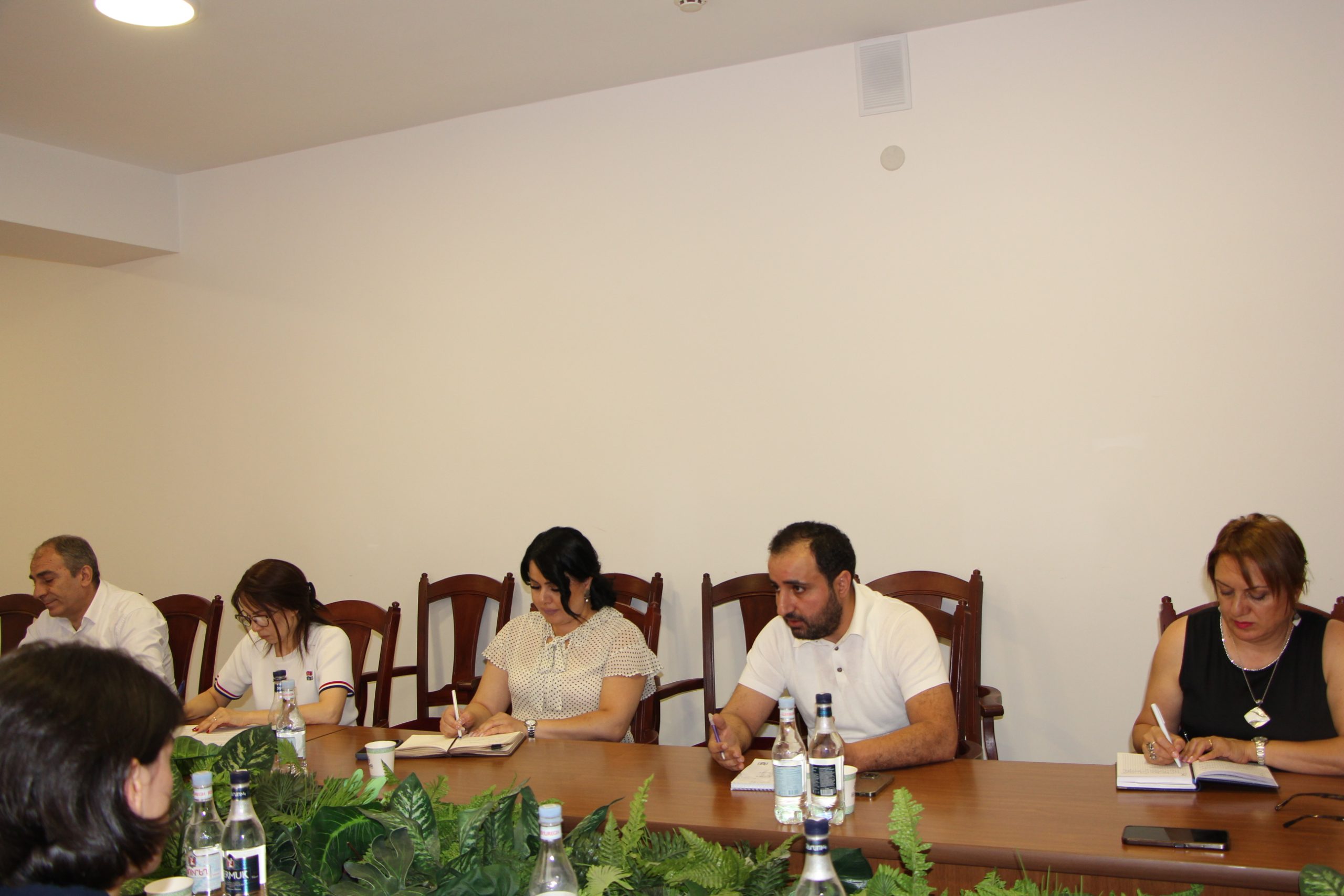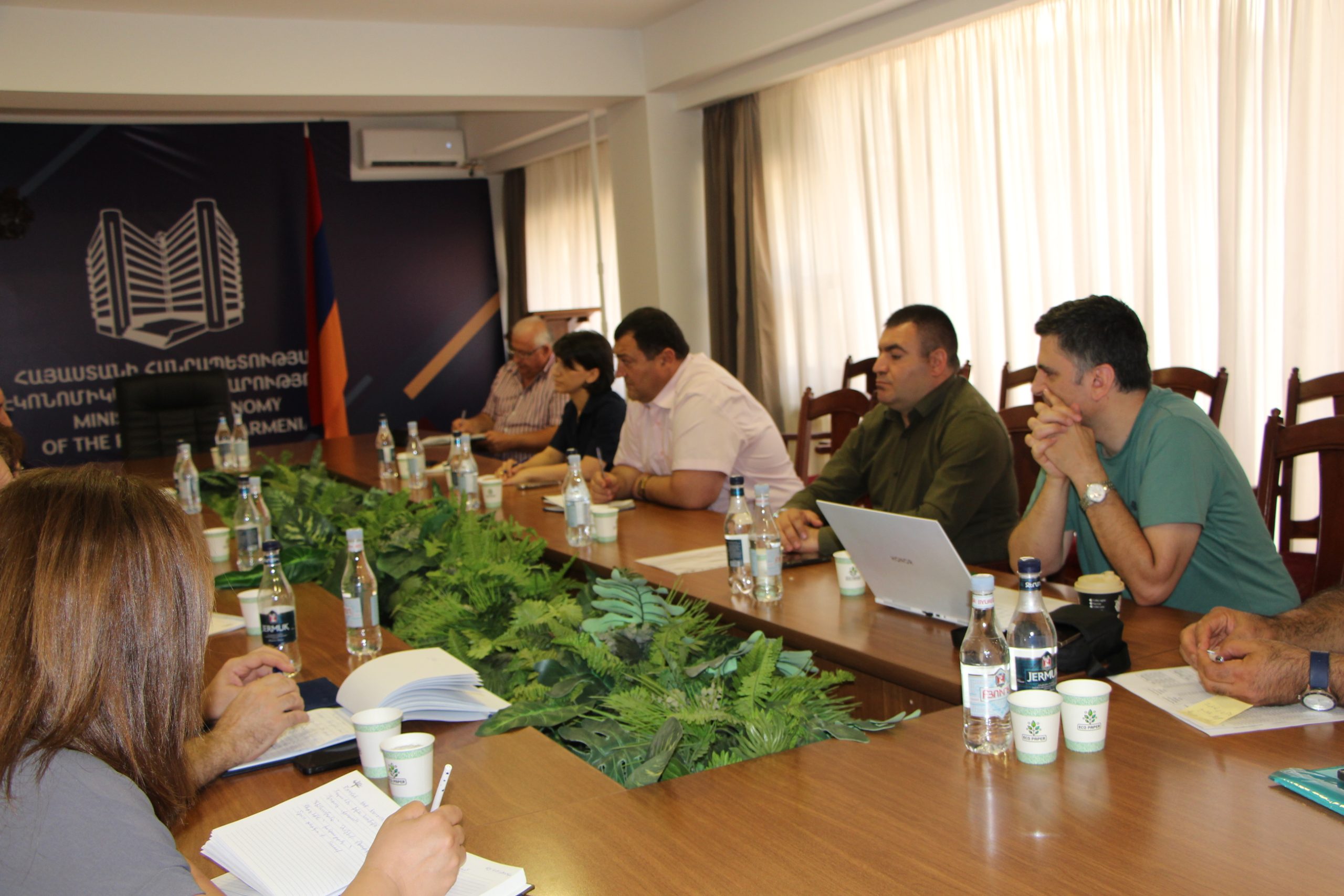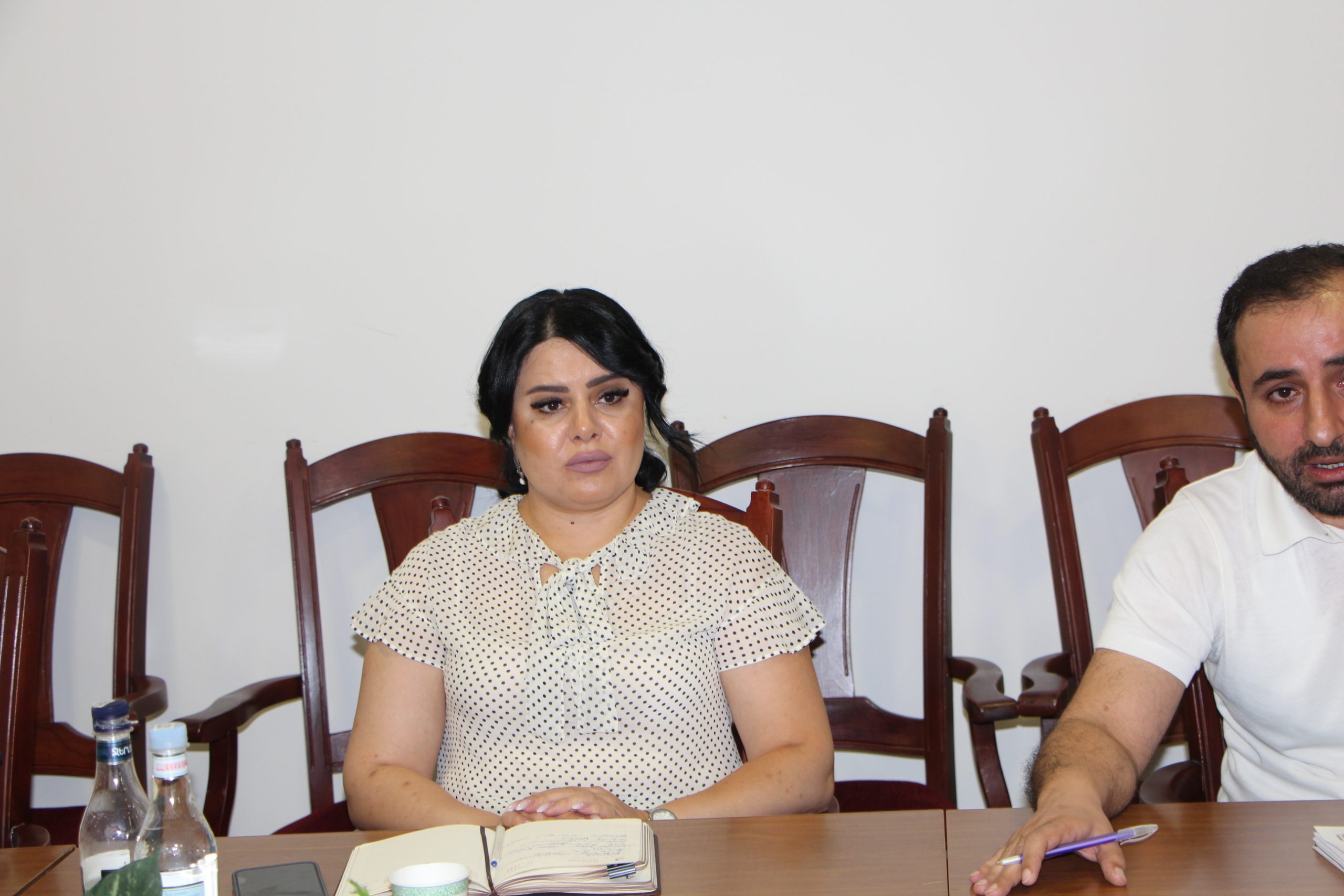


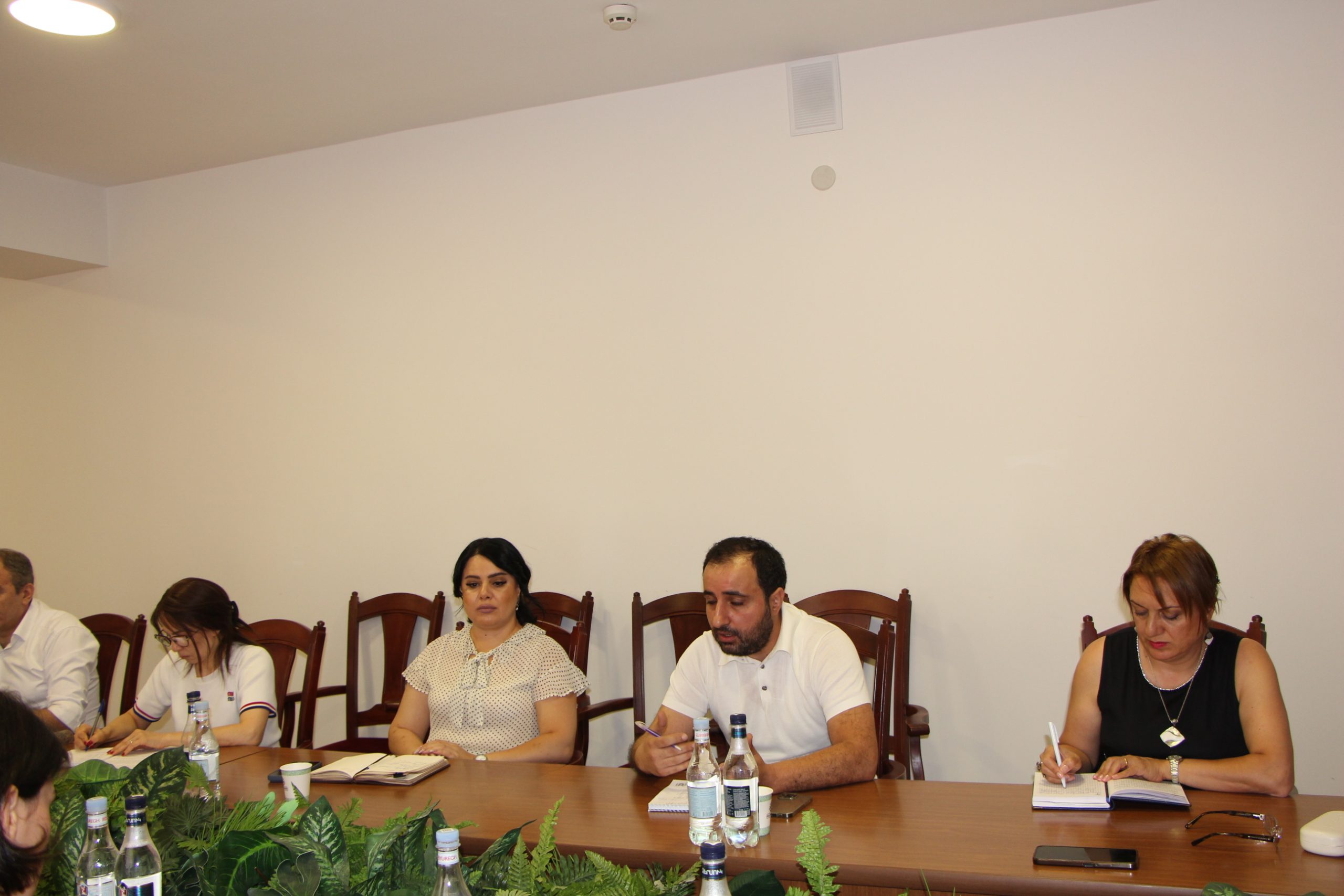
On August 3, 2026, the regular meeting of the Working group established to support the program for the identification and registration of livestock in the Republic of Armenia was held at the Ministry of Economy of the Republic of Armenia. The meeting was chaired by the Deputy Minister of Economy of the Republic of Armenia, Head of the working group Mrs. Tatevik Sargsyan. The meeting was attended by representatives of the Ministry of Economy of the Republic of Armenia, the "Centre for Agricultural Services " SNCO, the Food Safety Inspection Body of the Republic of Armenia, the "Ani Pas" architecture, and the CARD Foundation.
The agenda of the session included a number of important issues, in particular, issues related to the development of dashboards, working tools, for each stakeholder group, training of specialists, and the selection of an appropriate region for piloting the new digital tools. Issues related to the certification process of veterinary specialists, as well as making necessary changes to the relevant procedure, were also discussed.
Particular attention was paid to the development of electronic dashboards for veterinary epidemiologists, veterinarians and farmers. It is planned to create simple and user friendly digital tools that will allow performing the necessary operations directly via phone, reducing the need for manual data entry and paper documentation. At the same time, it was emphasized that the system should not only facilitate daily work, but also ensure data integrity, accuracy and traceability.
One of the priority areas for digitalization is the vaccination process. The possibility of linking vaccination data to each animal's ear tag number has been discussed, which will allow tracking of measures taken at the animal level, improve data management and control, and ensure full traceability of vaccinations.
The need to develop separate electronic dashboards for the Ministry of Economy of the Republic of Armenia and the CAS SNCO under the Ministry of Economy of the RA was also discussed. They are planned to be used to automate the processes of data collection, monitoring, analysis and reporting on the AIR and veterinary measures.
The principle of linking information on the activities carried out, including animal identification, registration, movements, vaccinations and other veterinary measures, to the animal's ear tag number has been emphasized. Such an approach will allow for the formation of a single and complete information chain for each animal, ensuring more effective data management, control and traceability. At the same time, it is planned to automate the creation of reports and analytical indicators through dashboards, as well as define user access and action rights according to their functions.
An important prerequisite for the effective implementation of digital solutions is the appropriate training of beneficiaries. To this end, it is planned to organize trainings for veterinary epidemiologists, veterinarians and farmers, presenting the main capabilities of the new tools, data entry and update procedures, information search and viewing functions, as well as the access levels provided for different users.
During the training, special attention will be paid to the correct and timely entry of data, linking it to the animal's ear tag number, and ensuring proper recording and traceability of the actions performed. After the systems are launched, continuous methodological and technical support is planned, as well as collecting user suggestions and feedback for further improvement of digital solutions.
A separate topic of discussion was the organization of pilot implementation of new digitalization tools. It is planned to implement the pilot in one pre-selected region or community, and if necessary, in several pilot locations. The pilot phase will provide an opportunity to assess the applicability of the systems in real working conditions, identify practical problems and, if necessary, make appropriate changes before their wider use.
The pilot process is planned to involve the main stakeholders: veterinary epidemiologists, veterinarians, farmers and representatives of responsible institutions. The results of the pilot application will be summarized, user observations and suggestions will be collected, and based on them, steps for further improvement and expansion of the systems will be defined. If necessary, the participants of the pilot program will also be provided with appropriate technical means.
During the meeting, the introduction of the certification system for veterinary specialists and issues related to its organization were also discussed. The necessary changes and additions to the current regulations were discussed, taking into account the practical application of the system and the needs of the sector.
It was noted that the process of approving the certification procedure is currently underway. The introduction of the system aims to ensure adequate assessment of the knowledge and professional abilities of veterinary specialists, to contribute to improving the quality of services provided and strengthening professional standards in the field. In the long term, the certification system can also serve as a basis for evaluating the work of specialists, expanding professional development and promotion opportunities.
The members of the Working Group reaffirmed their commitment to continuing their joint efforts to further improve the animal identification and registration system.
With the financial support of the Austrian Development Agency (ADA), the CARD Foundation continues to contribute to the establishment and development of the Animal Identification and Registration (AIR) system in the Republic of Armenia. This support includes assistance in the development of sectoral policies, the identification of challenges facing the system, the facilitation of joint discussions and the development of practical solutions, as well as the continuous strengthening of institutional and technical capacities within the sector.