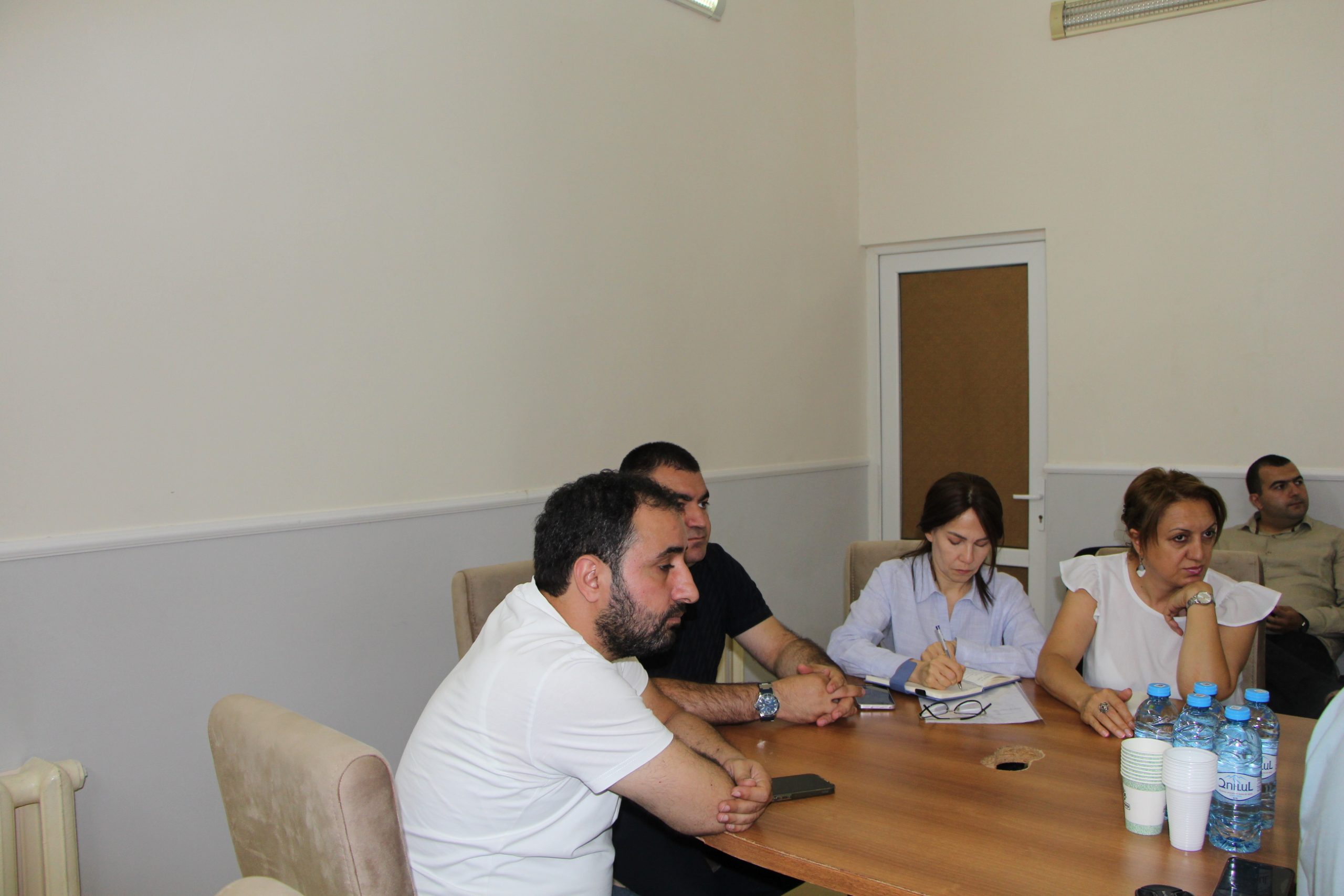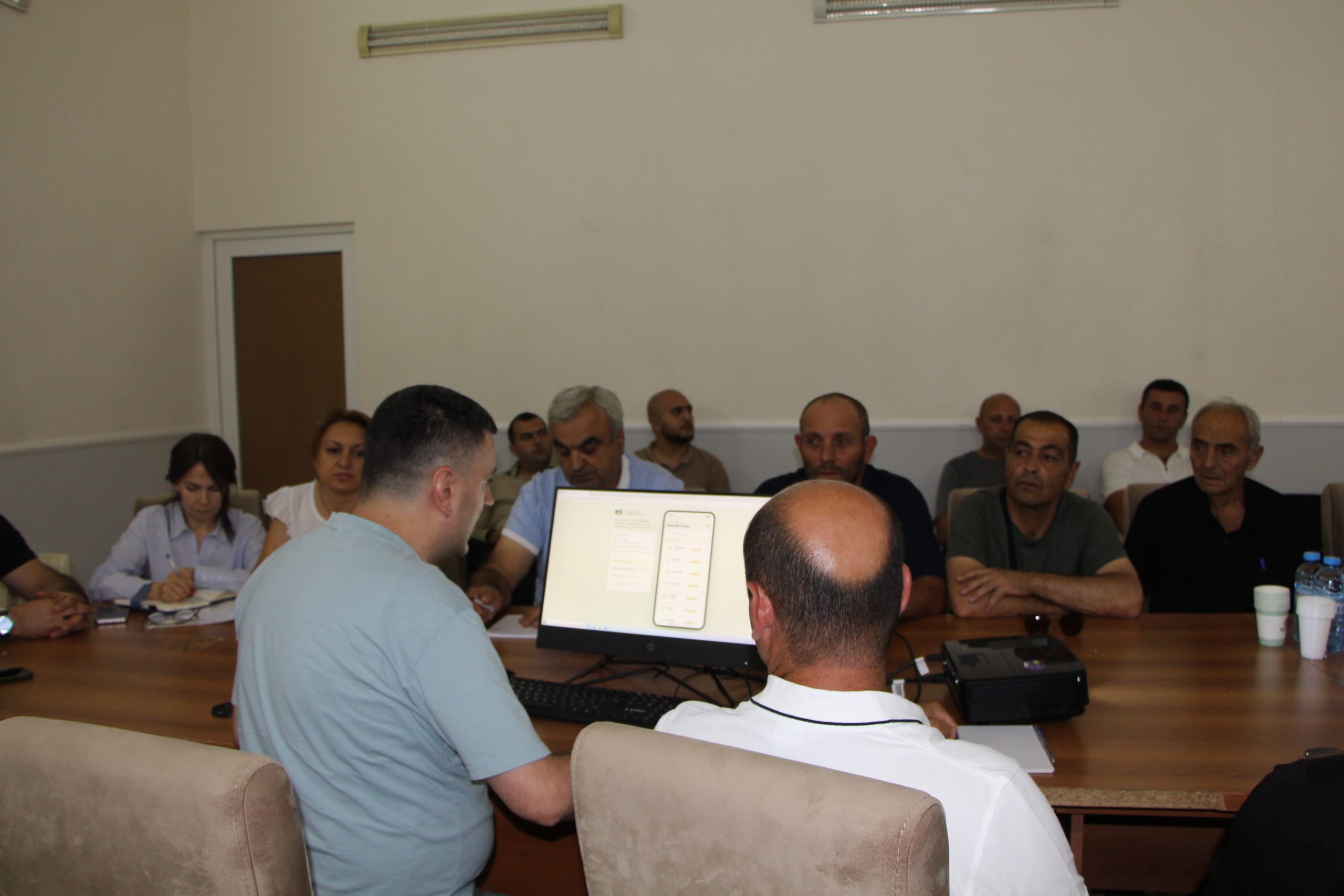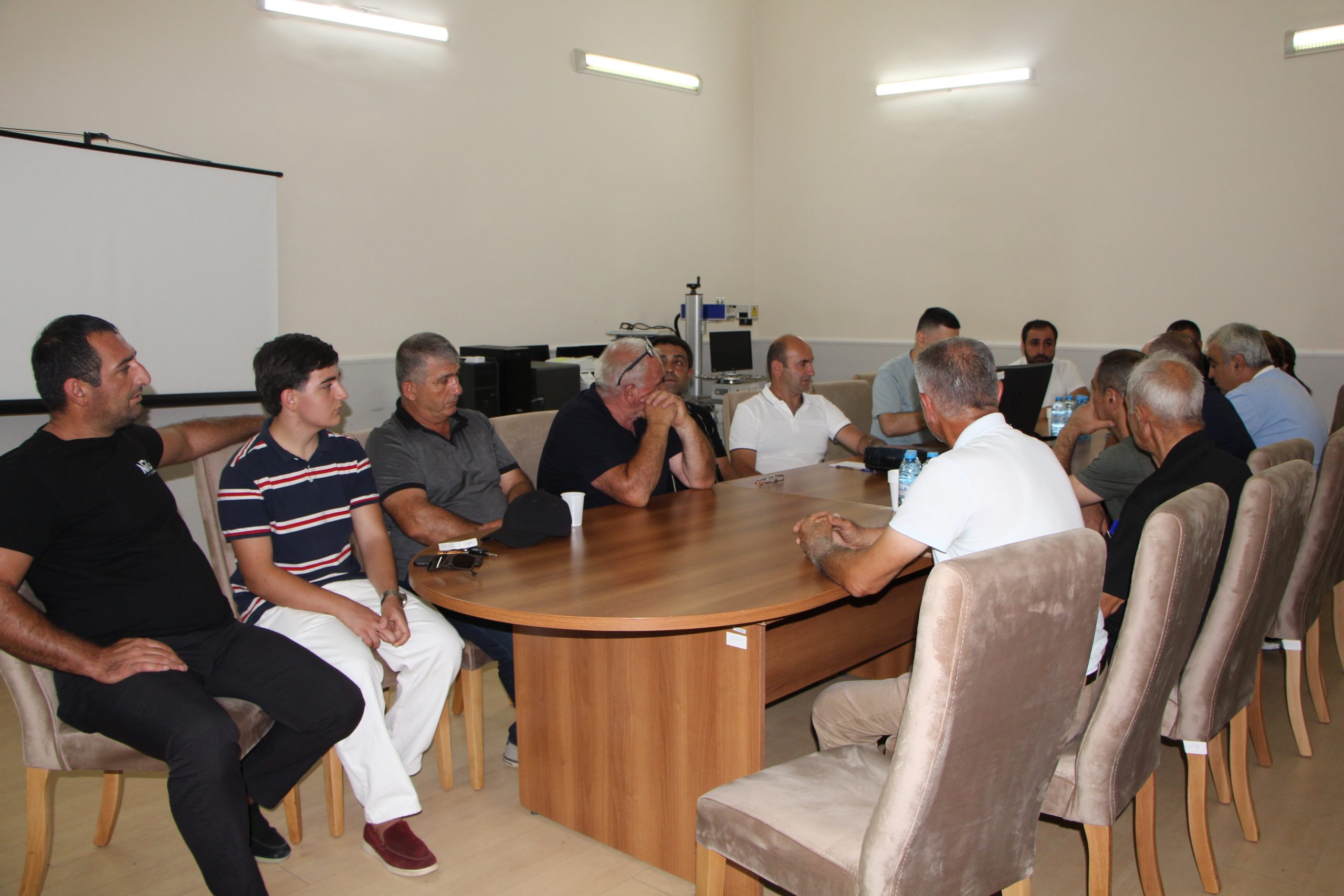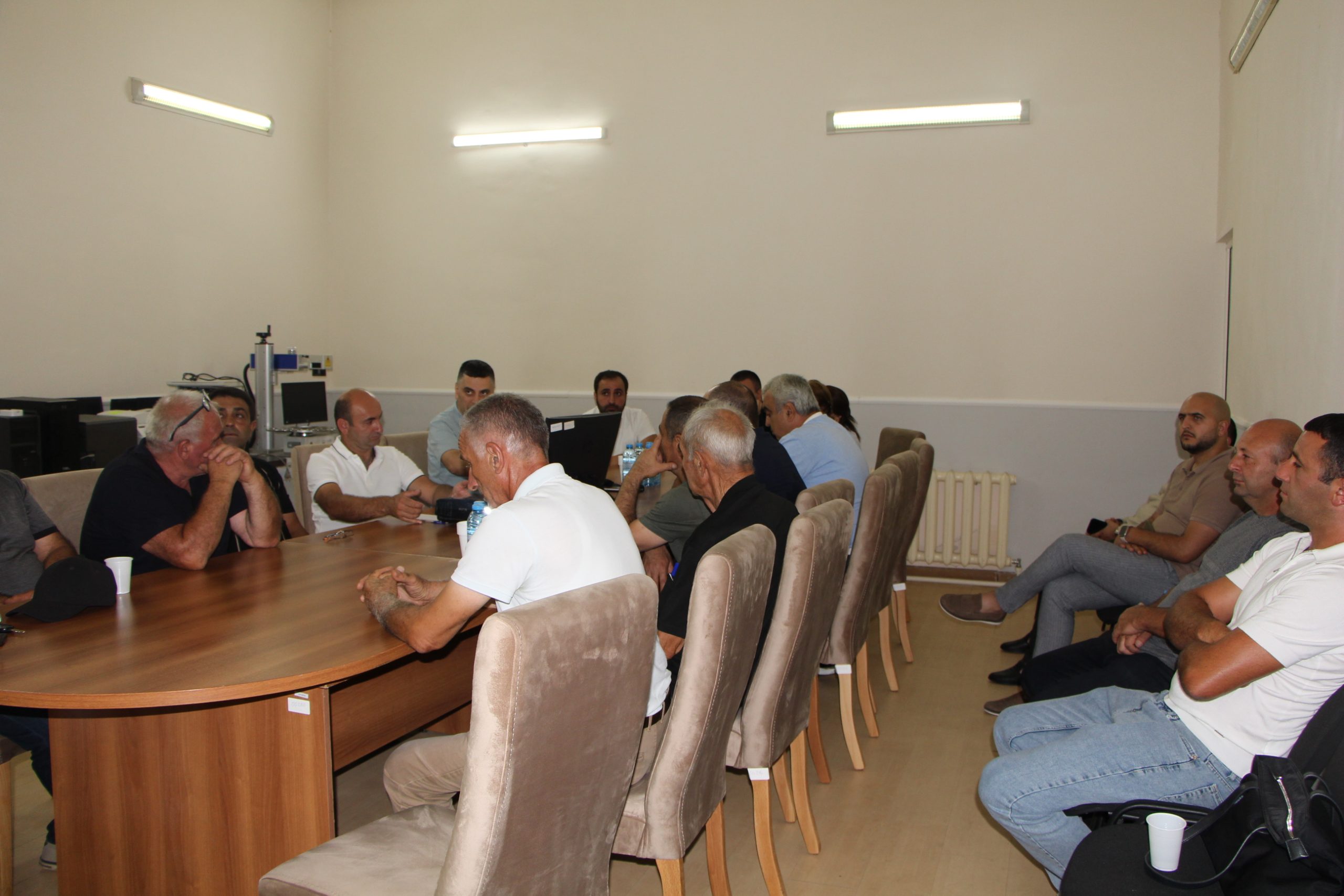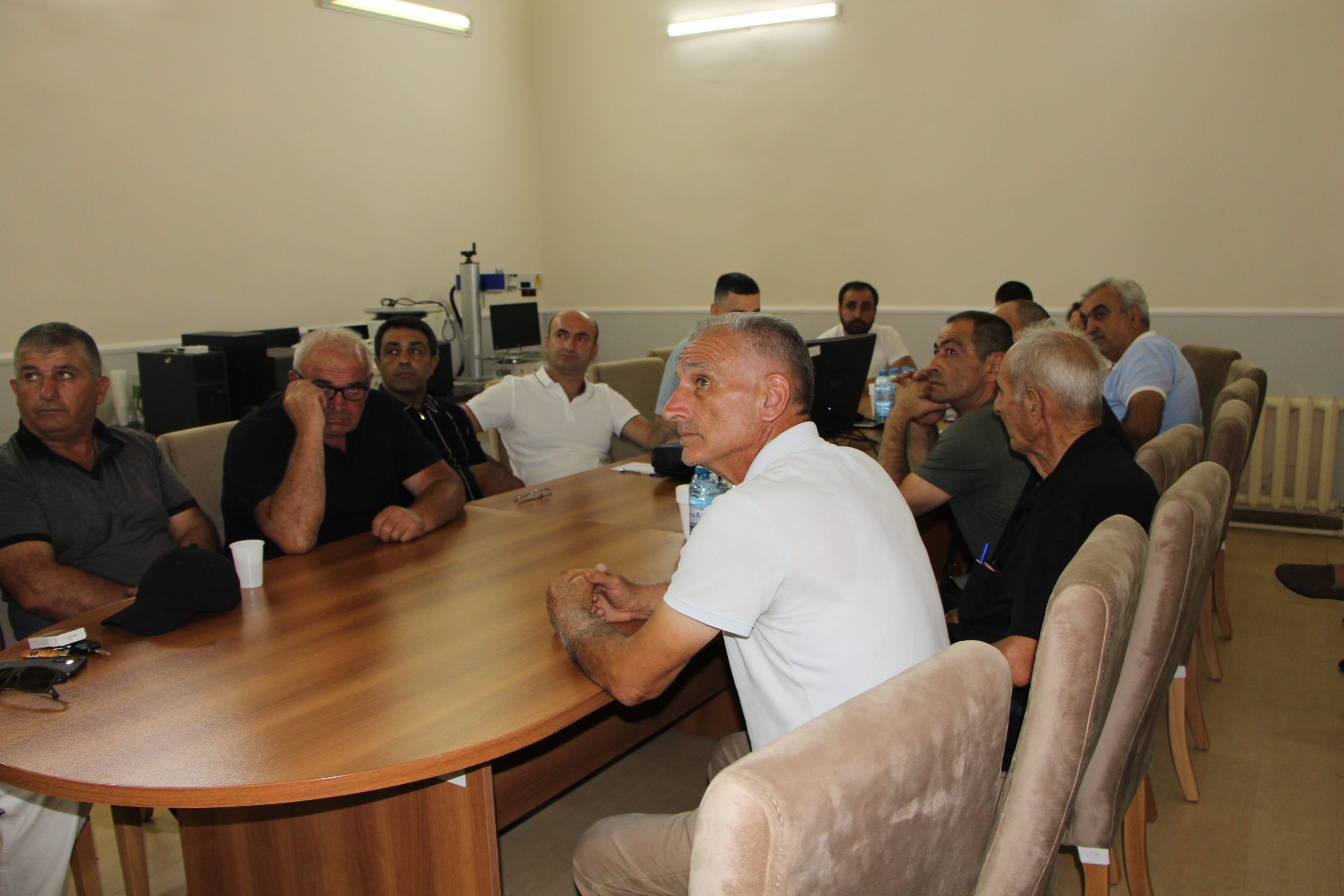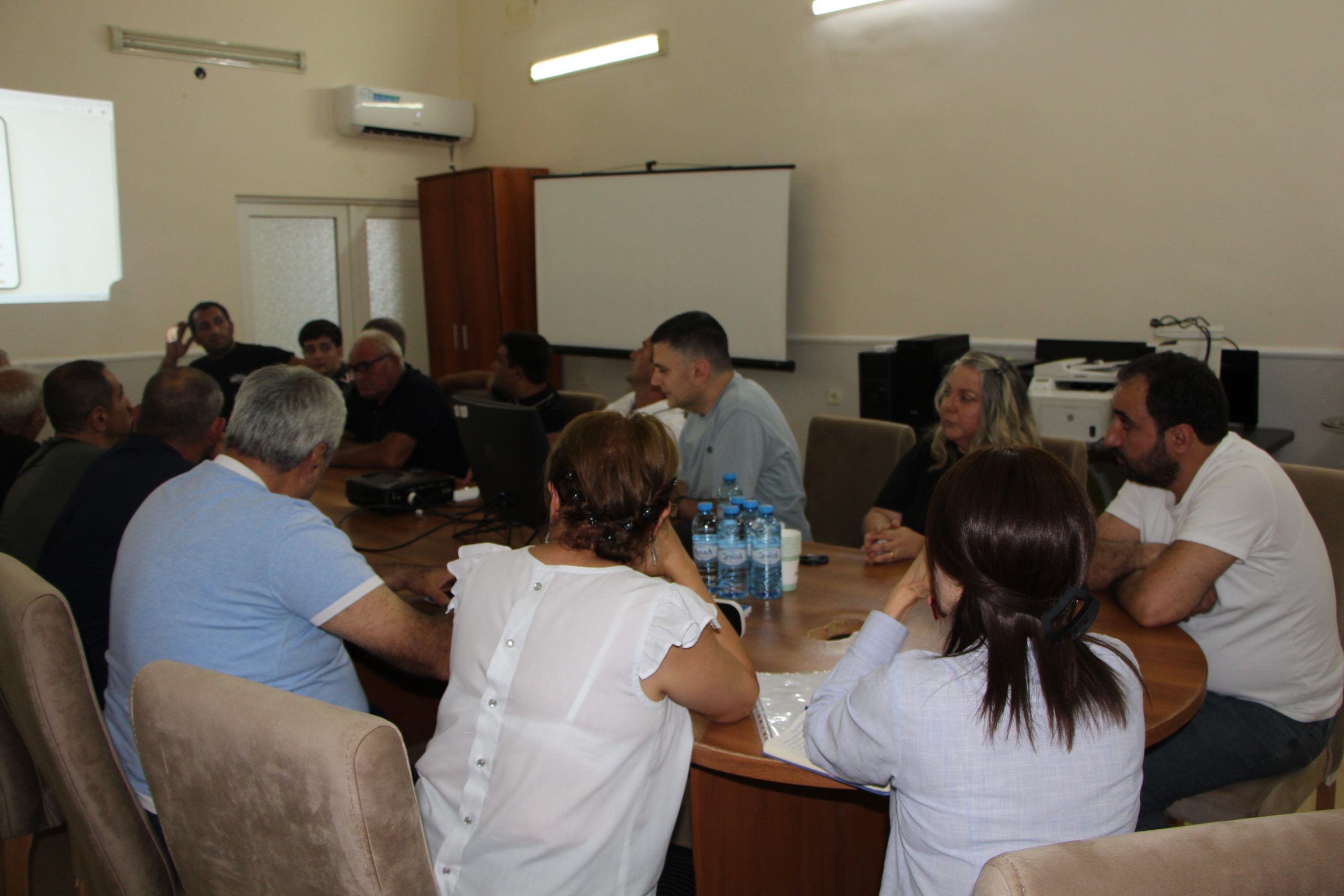



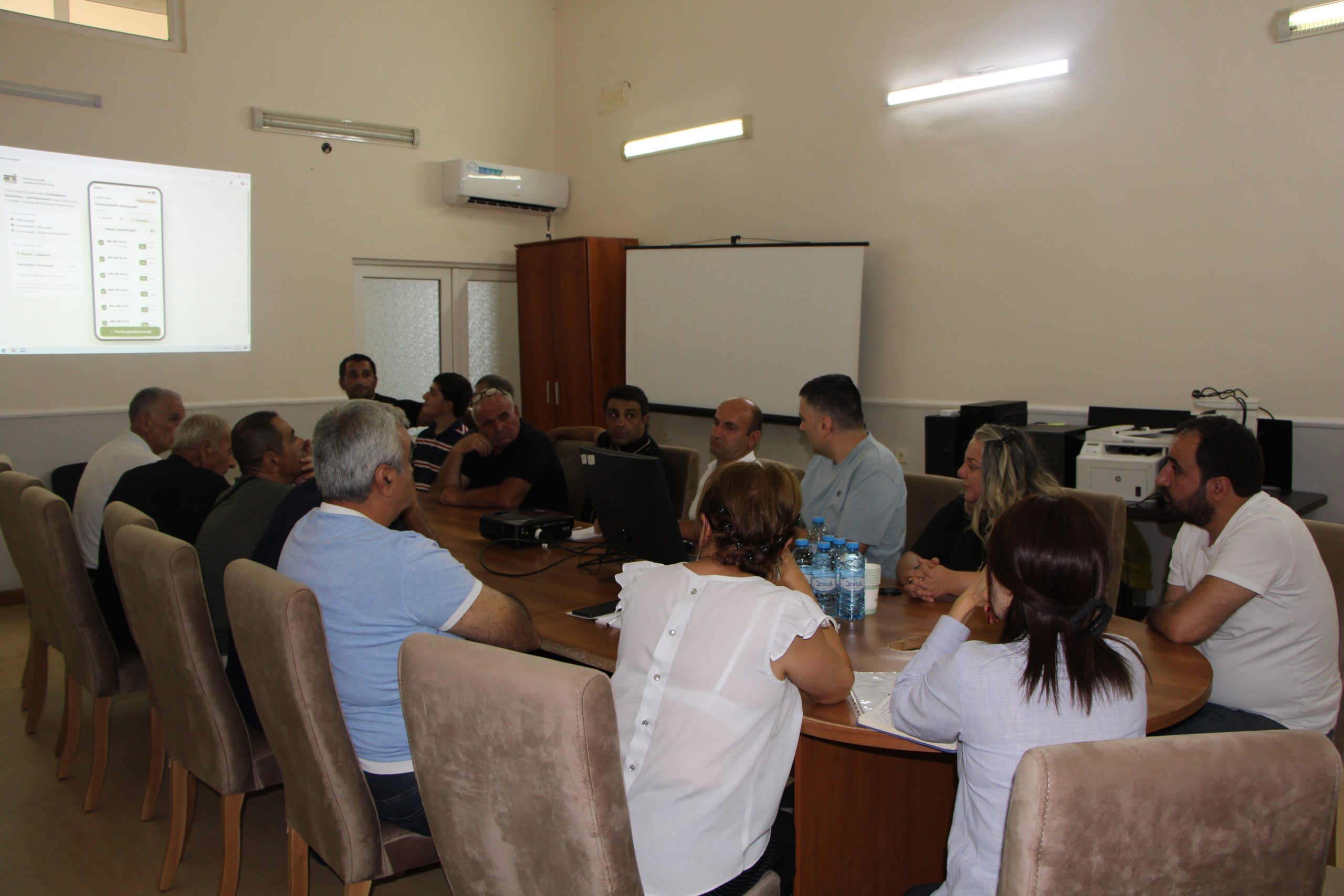
In an effort to collect opinions, recommendations, and practical insights on the digitalization process from different regions, the Ministry of Economy of the Republic of Armenia and the CARD Foundation organized another working meeting on August 6, 2026, with veterinarians and epidemiologists from the Masis community at the Center for Agricultural Services SNCO of the Republic of Armenia.
The goal of the meeting was to present the directions for system development, understand the attitude of industry professionals towards the digitalization process, listen to their suggestions and observations, as well as assess their readiness to engage in the testing phase of new tools.
The participants were presented with the planned changes in the AIR system and the possibilities of digital tools to simplify veterinary and epidemiological work. During the discussion, the specialists raised problems encountered in daily work and presented possible solutions to them, based on their practical experience.
Veterinarians proposed including and testing, within the framework of the pilot demonstration program, the concept of community-level cattle gathering points, as well as specialized equipment and restraint facilities designed to safely secure animals. According to the veterinarians, such solutions could contribute to more efficient organization of field activities by enabling the necessary procedures to be carried out more quickly, safely, and in a controlled manner. At the same time, their use could reduce the risk of animal injuries and minimize the likelihood of hazardous situations for field staff.
In addition, veterinarians emphasized the importance of providing field staff with digitalization tools, particularly smartphones. The use of such tools would enable the required data to be entered and updated directly in the field, reducing the volume of paperwork, saving time, and ensuring the faster, more accurate, and more complete transfer of information to the digital system.
The pilot phase will provide an opportunity to assess the operation, applicability, and user-friendliness of the digitalized system under real working conditions. It will also help identify technical and practical challenges that may arise during its use, collect feedback and recommendations from users, and, where necessary, make appropriate adjustments and improvements based on this feedback.
This approach will make it possible to test the proposed solutions under real-life conditions before their wider implementation and help ensure that the final digital tools are well aligned with the day-to-day operational needs of veterinarians and epidemiologists.